Highway Resurfacing in Little Rock, AR
Highway resurfacing services involve restoring and improving existing roadways to ensure a smooth, safe, and durable driving surface. This process typically includes removing the top layer of worn or damaged asphalt and replacing it with fresh material, which can help extend the lifespan of the road and enhance its appearance. Projects often cover sections of highways, residential streets, driveways, or parking lots that have experienced significant wear, cracking, or deterioration over time. Property owners interested in resurfacing should consider factors such as the current condition of the pavement, the scope of the project, and any specific requirements for traffic management or surface durability.
Before requesting highway resurfacing services, property owners usually want to understand the extent of repairs needed, the types of materials used, and how the process might impact daily access to the property. It’s important to assess whether the existing pavement can be effectively resurfaced or if full replacement is necessary. Additionally, understanding the preparation steps involved, such as crack filling or base repairs, can help ensure the longevity of the new surface. Clear communication about project goals and expectations can help facilitate a smooth resurfacing process tailored to the specific needs of the property.
Many property owners in Little Rock, AR look into Highway Resurfacing for repairs, replacements, upgrades, and appearance-related improvements.
Benefits Of Highway Resurfacing
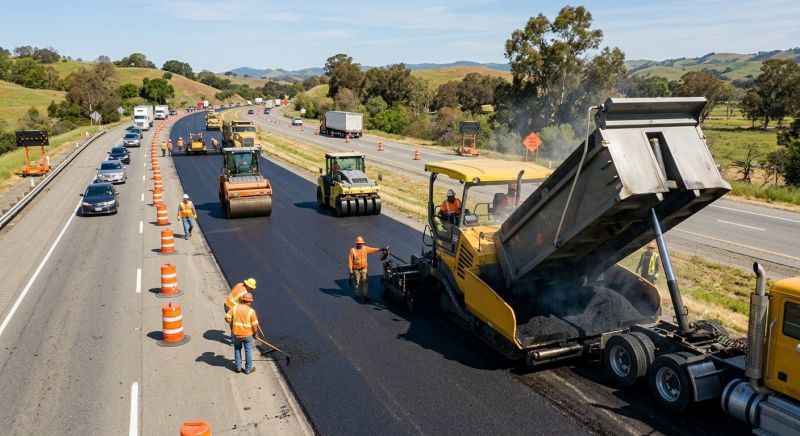
Restores smoothness and safety to busy roadways in little rock and surrounding areas.
Common Resurfacing Projects
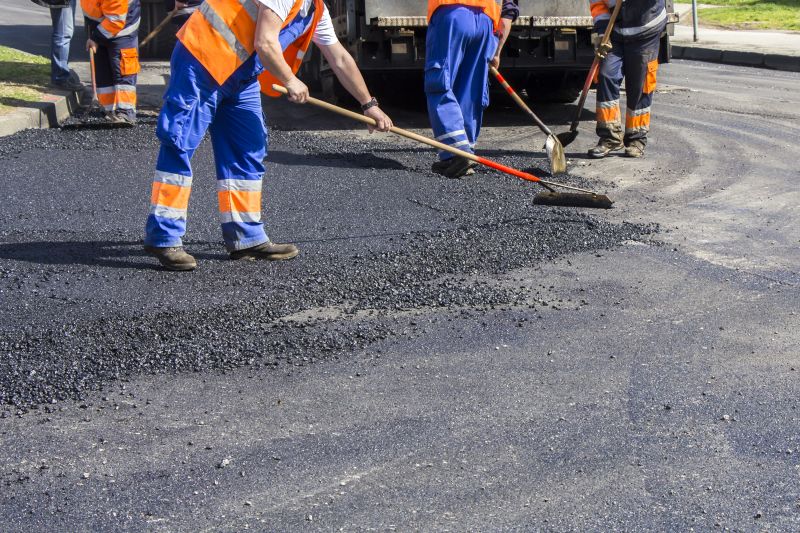
Ideal for highways, main roads, and access routes that experience heavy traffic and wear.
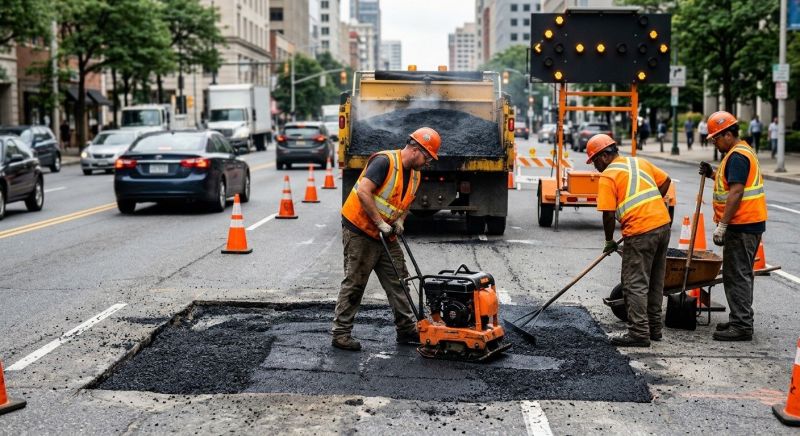
What To Expect
A durable surface that enhances driving comfort and extends the lifespan of existing pavement.
Highway Resurfacing in Little Rock, AR

Highway resurfacing services involve restoring and improving existing roadways to ensure a smooth, safe, and durable driving surface. This process typically includes removing the top layer of worn or damaged asphalt and replacing it with fresh material, which can help extend the lifespan of the road and enhance its appearance. Projects often cover sections of highways, residential streets, driveways, or parking lots that have experienced significant wear, cracking, or deterioration over time. Property owners interested in resurfacing should consider factors such as the current condition of the pavement, the scope of the project, and any specific requirements for traffic management or surface durability.
Before requesting highway resurfacing services, property owners usually want to understand the extent of repairs needed, the types of materials used, and how the process might impact daily access to the property. It’s important to assess whether the existing pavement can be effectively resurfaced or if full replacement is necessary. Additionally, understanding the preparation steps involved, such as crack filling or base repairs, can help ensure the longevity of the new surface. Clear communication about project goals and expectations can help facilitate a smooth resurfacing process tailored to the specific needs of the property.
Many property owners in Little Rock, AR look into Highway Resurfacing for repairs, replacements, upgrades, and appearance-related improvements.
Common Highway Resurfacing Jobs
Highway Resurfacing - Restores and extends the lifespan of existing pavement surfaces.
Street Resurfacing - Improves driving conditions and enhances curb appeal for residential streets.
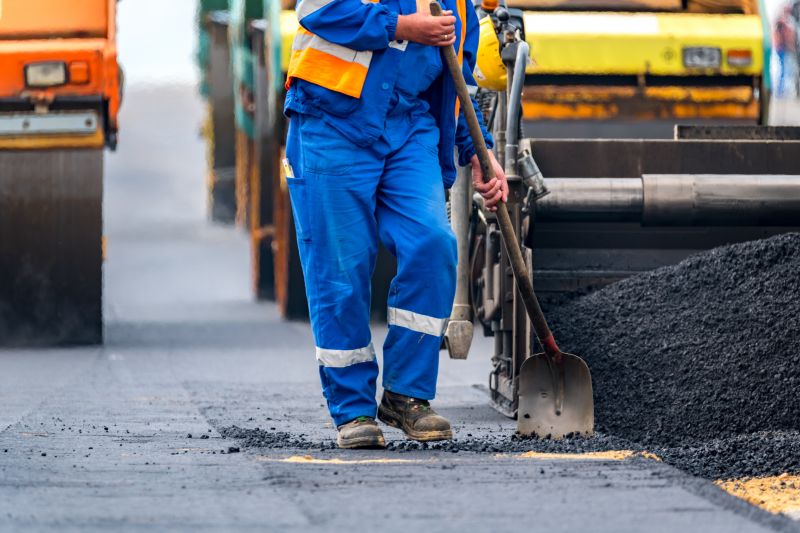
Roadway Overlay - Adds a new layer of asphalt to smooth out rough or damaged pavement.
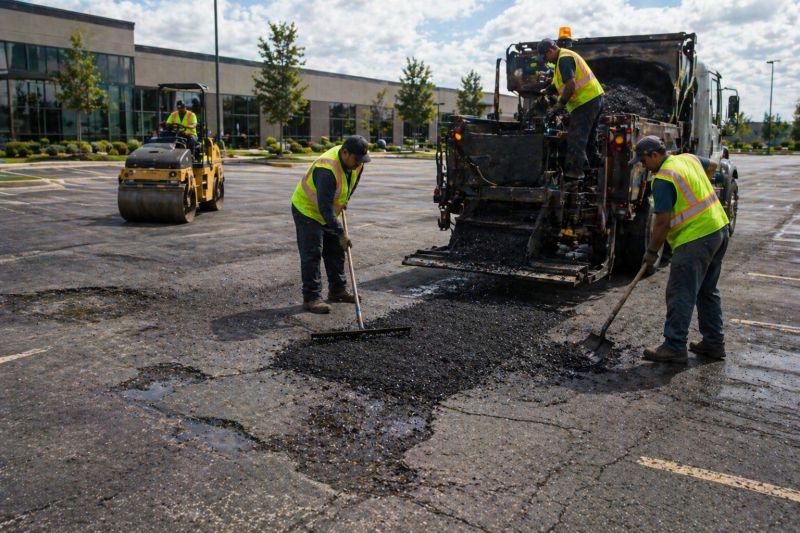
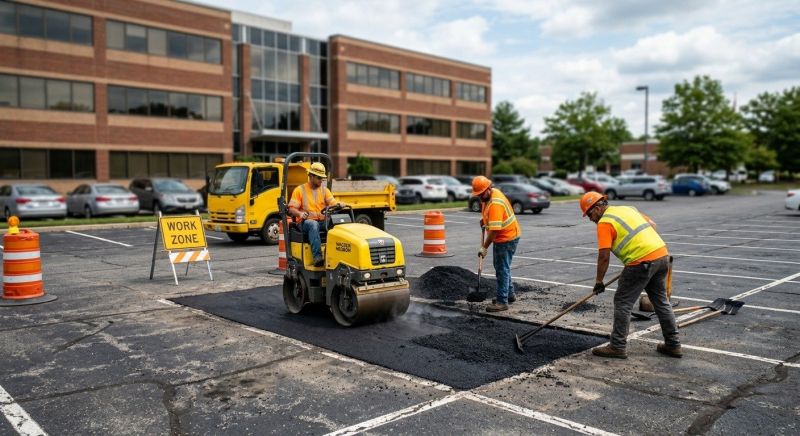
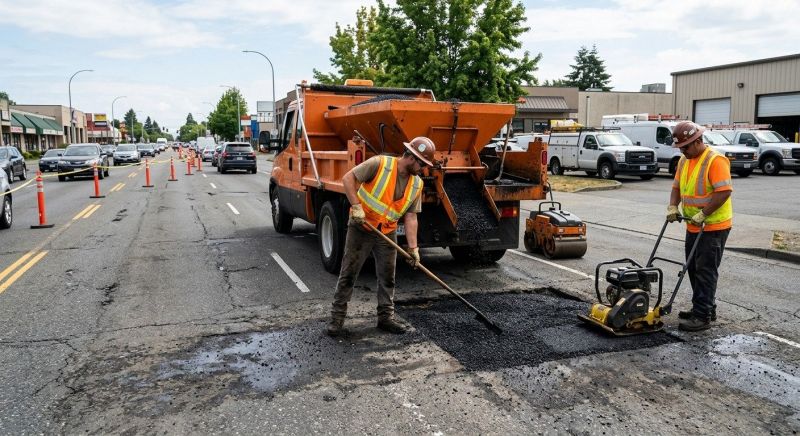
Pothole Repair - Seals and fills potholes to prevent further deterioration and ensure safety.
Asphalt Resurfacing - Refreshes worn or faded asphalt surfaces for a cleaner, safer look.
Pavement Preservation - Maintains pavement integrity and delays the need for full replacement.
Highway Resurfacing Questions
What is highway resurfacing? It involves applying a new layer of asphalt or other materials to restore a worn or damaged roadway surface, improving safety and durability.
When is highway resurfacing needed? Resurfacing is recommended when existing pavement shows signs of extensive wear, cracking, or potholes that affect driving conditions.
What types of projects are suitable for resurfacing? Resurfacing works well for highways, driveways, parking lots, and other large paved areas requiring a smooth, even surface.
What should property owners consider before resurfacing? It’s important to evaluate the current condition of the pavement and choose appropriate materials to ensure long-lasting results.
Request Highway Resurfacing in Little Rock, AR
Use the quote form on this page to share the basics of your project and request more information for the type of work you need.